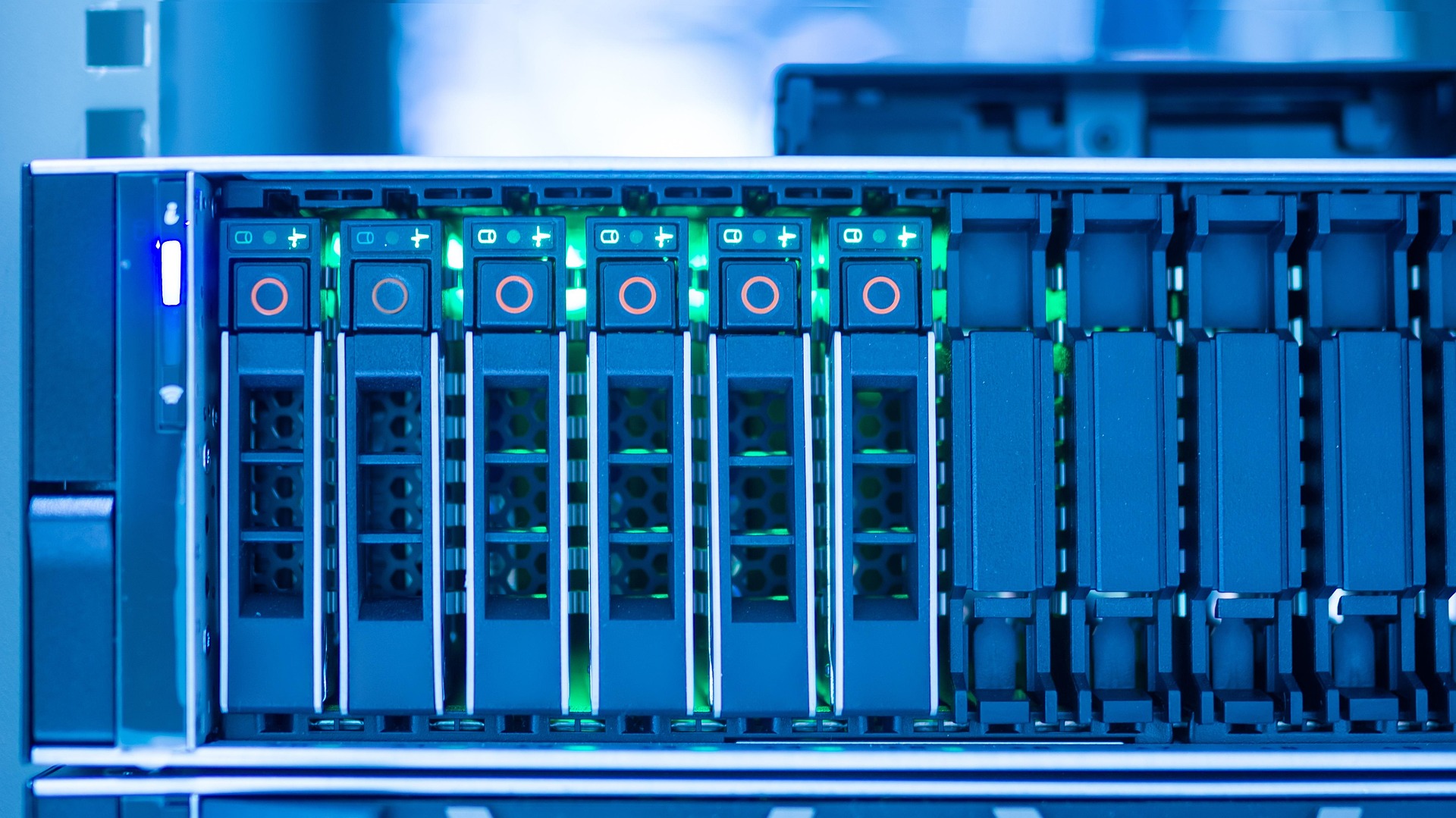

Structured cabling is the physical foundation of every reliable IT environment. Regardless of how advanced servers, cloud platforms, or software systems may be, they all depend on a stable, well-designed cabling infrastructure. According to telecommunications standards bodies and technical documentation summarized in academic sources and Wikipedia, structured cabling is defined as a standardized system of cables, connectors, pathways, and hardware that supports multiple hardware uses and future scalability.
For businesses, structured cabling is not an aesthetic or secondary concern. It directly affects network performance, system availability, troubleshooting time, and long-term operational costs. Poor cabling design is a documented cause of network instability, signal degradation, and extended downtime during maintenance or expansion.
What Structured Cabling Actually Means
Structured cabling is based on internationally recognized engineering principles rather than ad-hoc wiring. It organizes the physical network into clearly defined subsystems, including work areas, horizontal cabling, telecommunications rooms, equipment rooms, and backbone connections. This model is described in detail in telecommunications standards and referenced by Wikipedia as the basis for modern commercial networks.
Unlike point-to-point cabling, structured systems are vendor-neutral and application-independent. The same cabling infrastructure can simultaneously support data networks, voice systems, wireless access points, security systems, and building automation. This abstraction layer between physical media and active equipment is a key reason structured cabling has remained the industry standard for decades.
Why Structured Cabling Is Critical for Business Operations
 From an engineering and operational standpoint, structured cabling reduces complexity. Clearly labeled cables, standardized termination points, and documented layouts make networks easier to manage and significantly faster to troubleshoot. Multiple studies and technical analyses confirm that most network outages in office environments are caused by physical layer issues rather than software or routing problems.
A properly designed cabling system improves signal integrity and minimizes electromagnetic interference. This leads to predictable network performance, lower packet loss, and reduced error rates, especially in environments with high data throughput such as data centers, call centers, and multi-floor office buildings.
Scalability and Future-Proofing
One of the core principles of structured cabling is long-term scalability. Industry guidelines recommend designing cabling infrastructure to exceed current bandwidth requirements, allowing organizations to upgrade active equipment without replacing the physical cabling. This approach is supported by lifecycle cost analysis referenced in technical literature and Wikipedia.
For businesses, this means reduced capital expenditure over time. While structured cabling may require higher upfront investment compared to unplanned wiring, it significantly lowers costs associated with expansion, relocation, and technology upgrades. In managed IT environments, this predictability is a major operational advantage.
Structured Cabling and Network Reliability
Network reliability depends heavily on the quality of the physical layer. Structured cabling systems are designed to meet strict performance parameters for attenuation, crosstalk, and latency. These parameters are defined by engineering standards and validated through certification testing after installation.
Certified cabling provides measurable assurance that the network can operate at its intended speed and capacity. This is particularly important for business-critical systems such as VoIP, video conferencing, virtualization platforms, and cloud connectivity, all of which are sensitive to physical layer inconsistencies.
Maintenance, Documentation, and Compliance
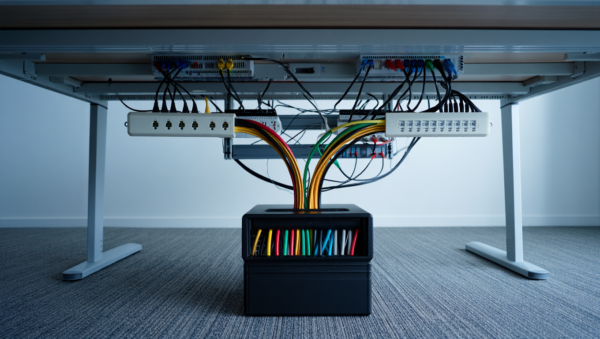 Another documented benefit of structured cabling is improved maintainability. Proper labeling, color coding, and documentation allow IT teams to perform changes without disrupting unrelated systems. This reduces the risk of accidental outages, a common issue in poorly documented environments.
In regulated industries, structured cabling also supports compliance efforts. Clear documentation and standardized layouts simplify audits and inspections, especially in environments subject to data protection, security, or operational continuity requirements.
Conclusion
Structured cabling is a foundational element of professional IT infrastructure. Scientific research, engineering standards, and decades of industry practice consistently show that reliable networks begin at the physical layer. Businesses that invest in structured cabling benefit from higher uptime, predictable performance, easier maintenance, and lower long-term costs.
For organizations specializing in IT management and services, such as DK’S Enterprises, Ltd., structured cabling is not simply an installation task. It is a strategic infrastructure decision that directly impacts every digital service built on top of it. Without a properly designed cabling system, even the most advanced IT solutions cannot operate reliably at scale.